Deck Design Trends for 2026: Build a Beautiful and Practical Outdoor Escape
Deck design trends for 2026 highlight a movement toward building elegant and practical outdoor areas. Eco-friendly materials, creative layouts, and intelligent technology are leading the way. Residents look to improve their outdoor enjoyment while focusing on sustainability. Adaptable furnishings and purposeful zones are emerging as key priorities. As these features combine, a closer look shows how any deck can be turned into a personalized haven. What critical components should be considered to achieve the ultimate deck experience?
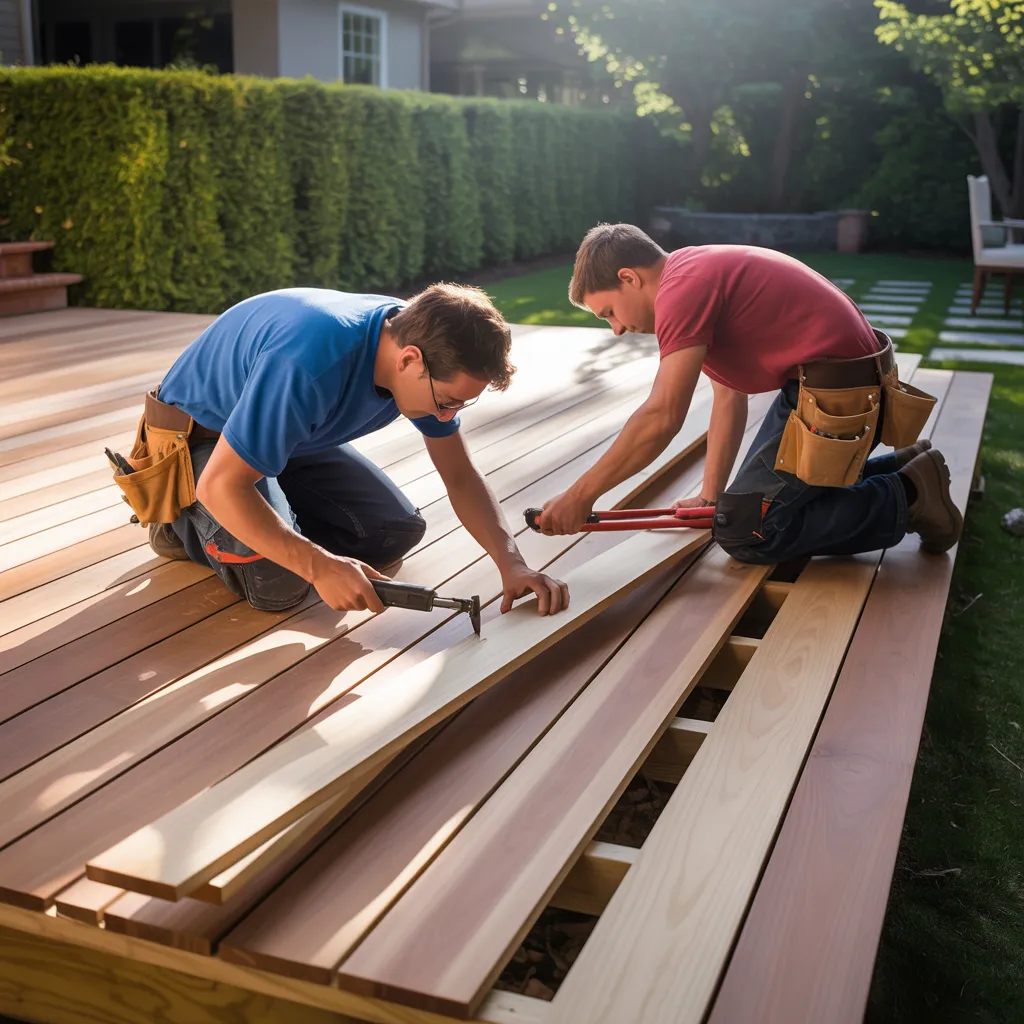
Premier Eco-Friendly Materials for Sustainable Deck Design
As homeowners increasingly prioritize sustainability, choosing the right materials for green deck design has attracted considerable interest. Repurposed wood, commonly obtained from demolished buildings or used pallets, has emerged as a widely preferred material, delivering both decorative appeal and meaningful environmental value. Not only does this material help minimize waste, but it also offers long-lasting strength when appropriately processed.
Composite wood decking, composed of a mixture of wood fibers and recycled plastics, is another favored choice. It is easy to maintain and highly resistant to decay, making it ideal for outdoor use. The bamboo material, known for its rapid growth and renewability, has risen as a top choice, delivering a fashionable solution that remains kind to the environment.
Moreover, eco-friendly hardwoods, such as teak and mahogany, are preferred for their longevity and natural beauty. These choices embody a dedication to eco-conscious living, empowering homeowners to craft beautiful outdoor environments while preserving the planet's well-being.
Innovative Layouts for Outdoor Living Spaces
Creative designs are reshaping outdoor recreational spaces, giving homeowners the ability to optimize usability while enhancing aesthetic appeal. Currently, designers are focusing on multi-functional layouts that define distinct areas for gathering, resting, and outdoor cooking. With the integration of amenities including permanent seating fixtures and fire features, these environments foster connectivity while keeping an expansive sense of openness.
Moreover, the incorporation of diverse materials and textures generates visual appeal and directs flow across the space. Tiered levels and curved paths are becoming increasingly popular, as they bring depth and character to outdoor environments. Furthermore, integrating natural features such as vertical gardens or water features can naturally bridge indoor and outdoor spaces.
Ultimately, integrating adaptable furnishings allows for versatility, catering to events of all sizes. Altogether, these forward-thinking arrangements address more than just everyday needs but also improve the total experience of outdoor living, transforming backyard areas into stylish retreats.
Color Trends to Enhance Your Deck Design
Colour holds significant importance in deck planning, shaping the atmosphere and enhancing the overall aesthetic. In 2026, popular color trends include earthy tones, such as olive green and terracotta, which create an atmosphere of serenity and connection with nature. These hues complement outdoor settings, creating a serene retreat.
Moreover, striking colors like deep navy and rich burgundy are leaving a strong impression, lending a distinguished air to deck spaces. Delicate pastel shades, including light blues and blush pinks, continue to rise in appeal, offering a light, breezy aesthetic that brightens outdoor areas.
Understated tones, like taupe and warm gray, continue to be timeless, providing a versatile backdrop for a variety of decor styles. It is recommended that homeowners mix and match colors, creating layered visual interest. In the end, the ideal color palette not only elevates the deck's design but also showcases personal style, transforming outdoor spaces into more welcoming and enjoyable areas.
Choosing Multipurpose Furnishings for Your Outdoor Space
Making the most of deck space demands thoughtfully choosing versatile furniture pieces that naturally merges aesthetics and function. Choosing pieces that serve multiple purposes can improve both usability and comfort. To illustrate this point, storage benches offer seating alongside convenient space for storing cushions or gardening tools. Folding tables make it easy to adapt the space for dining or entertaining, allowing for effortless shifts between gatherings.
Furthermore, ottomans that function as side tables can increase flexibility, providing additional seating when desired. Flexible seating arrangements enable users to personalize their layouts based on the event, promoting a dynamic outdoor environment. Incorporating these versatile elements not only optimizes space but also enhances the overall appeal of the deck. By strategically selecting versatile furniture, homeowners can create an appealing outdoor retreat that addresses various activities and enhances their lifestyle.
Imaginative Lighting Designs to Enhance Your Deck
In what ways can homeowners convert their decks into captivating after-dark spaces? Innovative lighting options are essential for establishing ambiance and improving the usability of outdoor spaces. String lights, draped elegantly overhead, provide a warm, inviting glow, perfect for gatherings or quiet evenings. Moreover, sun-powered lanterns and trail lights provide sustainable alternatives that light up garden paths without the hassle of running cables.
Installing LED strips under railings or along steps can generate a sleek appearance while ensuring security. For a more striking effect, wall sconces or pendant lights can be placed to accentuate architectural features. Fire pits or torches not only offer light but also comfortable warmth, encouraging outside gatherings even on cooler nights. By thoughtfully integrating these lighting options, residents can create a breathtaking ambiance that promotes socializing and relaxation, making their outdoor decks a true extension of their interior living area.
Outdoor Kitchens: Transforming Culinary Experiences in the Open Air
Outdoor cooking areas are converting backyards into gourmet sanctuaries, blending practicality with aesthetic appeal. Key considerations include essential appliances that enhance cooking capabilities, carefully planned design arrangements that maximize available space, and long-lasting materials appropriate for exterior environments. These components combine to establish a welcoming atmosphere for culinary and social activities.
Core Kitchen Appliances Review
As homeowners increasingly embrace open-air lifestyles, the significance of vital kitchen appliances in open-air environments has never been more pronounced. These appliances transform patios into dynamic culinary spaces, promoting both functionality and style. Essential components feature built-in grills, which deliver effective cooking solutions and elevate taste, and open-air refrigeration units for convenient access to drinks and food items. Moreover, sink stations facilitate food preparation and cleanup, while space-saving dishwashers ease post-dining tasks. Open-air pizza ovens have become increasingly sought after, appealing to cooking aficionados. The integration of these units not only improves the cooking process but also encourages social gatherings, positioning outdoor kitchens as a vital element of modern residential design. Investing in quality outdoor appliances guarantees lasting enjoyment and convenience.
Layout Design Considerations
A well-thought-out design layout is critical for maximizing the functionality and enjoyment of exterior cooking areas. A well-planned space considers essential components like efficiency, ease of access, and social engagement. The ideal design establishes a triangular relationship between the grilling section, food prep space, and seating area, promoting effortless navigation. Including sufficient work surfaces and storage areas improves functionality, permitting hosts to cook and serve food conveniently. Additionally, integrating seating areas close to the cooking zone encourages social interaction, enhancing the overall experience for visitors. Accounting for sun coverage and weather shielding is equally important, allowing the area to stay operational in changing environments. Overall, thoughtful design promotes an inviting atmosphere, turning open-air spaces into gourmet destinations ideal for cooking and gathering.
Alfresco Cooking Materials
Choosing the ideal materials for outdoor cooking spaces greatly influences both practicality and visual appeal. Resilient choices like stainless steel and stone are widely preferred for their ability to withstand weather conditions. Stainless steel fixtures not only offer a clean, modern aesthetic but also promise durability and simple upkeep. Natural stone surfaces, such as granite or slate, provide a durable and elegant surface for cooking areas and countertops. Moreover, composite materials can improve aesthetics while preventing deterioration and fading. Including heat-resistant wood for cabinetry or accents adds warmth and character, blending utility with visual appeal. Ultimately, the right combination of materials creates an welcoming environment, ensuring outdoor cooking areas act as both gathering places and culinary centers.
Cutting-Edge Technology for Upgrading Your Deck Design
Blending smart technology into deck design transforms outdoor living experiences by delivering convenience and superior functionality. Homeowners are increasingly adding features like smart lighting, which can be managed through apps or voice commands, creating customizable ambiance. Automated shades and awnings deliver shade on demand, making decks more comfortable during hot days.
Smart speakers and outdoor sound systems enhance the atmosphere for entertaining, while weatherproof Wi-Fi extenders ensure uninterrupted connectivity for streaming and sharing on social media. Furthermore, intelligent outdoor heating units can establish a warm and comfortable setting, allowing the deck to remain functional during colder seasons.
For surveillance purposes, smart cameras and movement detectors can be incorporated to monitor the space. On the whole, these cutting-edge developments not only improve the aesthetic of outside areas but also greatly enhance the experience for users, making deck areas far more flexible and enjoyable for various activities.
Special Features to Make Your Deck One of a Kind
As of 2026, homeowners are steadily adopting custom features to elevate their deck spaces. Personalized lighting designs can set a welcoming mood while distinctive furniture selections provide opportunities for individuality and ease. These distinctive enhancements not only improve the overall look but also foster a sense of individuality in open-air environments.
Customized Lighting Solutions
Tailored lighting options have the ability to transform a deck into a mesmerizing after-dark escape. By integrating an assortment of lighting options, homeowners can establish a setting that reflects their individual taste and improves functionality. Strand lights offer a charming accent, producing a warm shimmer, while integrated LED strips can illuminate railings or steps for protection and decorative effect. Sun-powered lanterns bring a natural appeal, providing eco-friendly illumination without the need for wiring. Furthermore, customizable intelligent lighting allows for customized light intensity and color shifts, adapting to different moods or occasions. These carefully considered lighting choices not only elevate the visual appeal of the deck but also guarantee it remains a welcoming space for socializing, unwinding, and entertainment long after the sun sets.
Distinctive Furniture Selections
When choosing furniture for a deck, homeowners can enhance its appeal and usability through one-of-a-kind options that reflect their personal style. Choosing non-traditional materials, such as reclaimed wood or metal accents, can establish a remarkable atmosphere. Bold, printed cushions and textiles add a vibrant touch, fostering leisure and interaction. Versatile furniture items, such as seating with hidden storage or compact tables, optimize the area without sacrificing elegance. Incorporating handmade or artisan-crafted items can further personalize the deck, demonstrating distinctive style. Additionally, configurable pieces offer adaptability, accommodating various gatherings and activities. Through carefully chosen distinctive furniture, residents turn their decks into charming sanctuaries that harmoniously blend comfort and aesthetics, turning exterior spaces into true reflections of themselves.
Frequently Asked Questions
What Care Is Necessary for Different Types of Deck Materials?
Each deck material type requires its own maintenance approach. Wood requires frequent sealing and staining treatments, composite materials only need occasional washing, while aluminum and PVC require minimal upkeep, typically only needing soap and water to maintain their appearance and functionality.
How Do I Make the Most of Small Outdoor Spaces?
To maximize compact outdoor areas, you can integrate wall-mounted greenery, discover this versatile furniture pieces, and carefully positioned light fixtures. Making good use of corner spaces and selecting brighter color tones additionally improves the perception of space, resulting in a more welcoming environment.
Do Regulations Exist for Deck Construction?
Yes, there are regulations for deck construction. Such regulations generally encompass building codes, zoning laws, and permits that differ depending on location. Following these regulations ensures safety, structural integrity, and conformity to community standards for outdoor structures.
What Are the Ideal Plants for Deck Landscaping?
For deck landscaping, ornamental grasses, perennial flowers, and compact shrubs are ideal choices. Such plants improve the overall look, deliver natural structure, and grow well in containers, resulting in a colorful and appealing setting for outdoor relaxation.
How Do I Ensure Safety on My Deck?
To guarantee a safe deck environment, one should conduct regular inspections for loose boards, ensure railings are properly maintained, use non-slip materials, ensure sufficient lighting is in place, and verify the structural integrity of the deck to minimize risks and create a secure and enjoyable outdoor area.